
Nurturing lives.
Growing hope.
The Syed Nurur Rahman Welfare Trust uplifts underprivileged communities through education, healthcare and sustainable livelihoods — with sincerity, transparency and dignity for every person we serve.
Care
Compassion at the heart of every act — meeting people in their moment of need.
Support
Steady, reliable help — from healthcare to relief — that families can count on.
Empower
Skills, education and opportunity that build lasting self-reliance and dignity.
2017
A tree of hope, held in caring hands
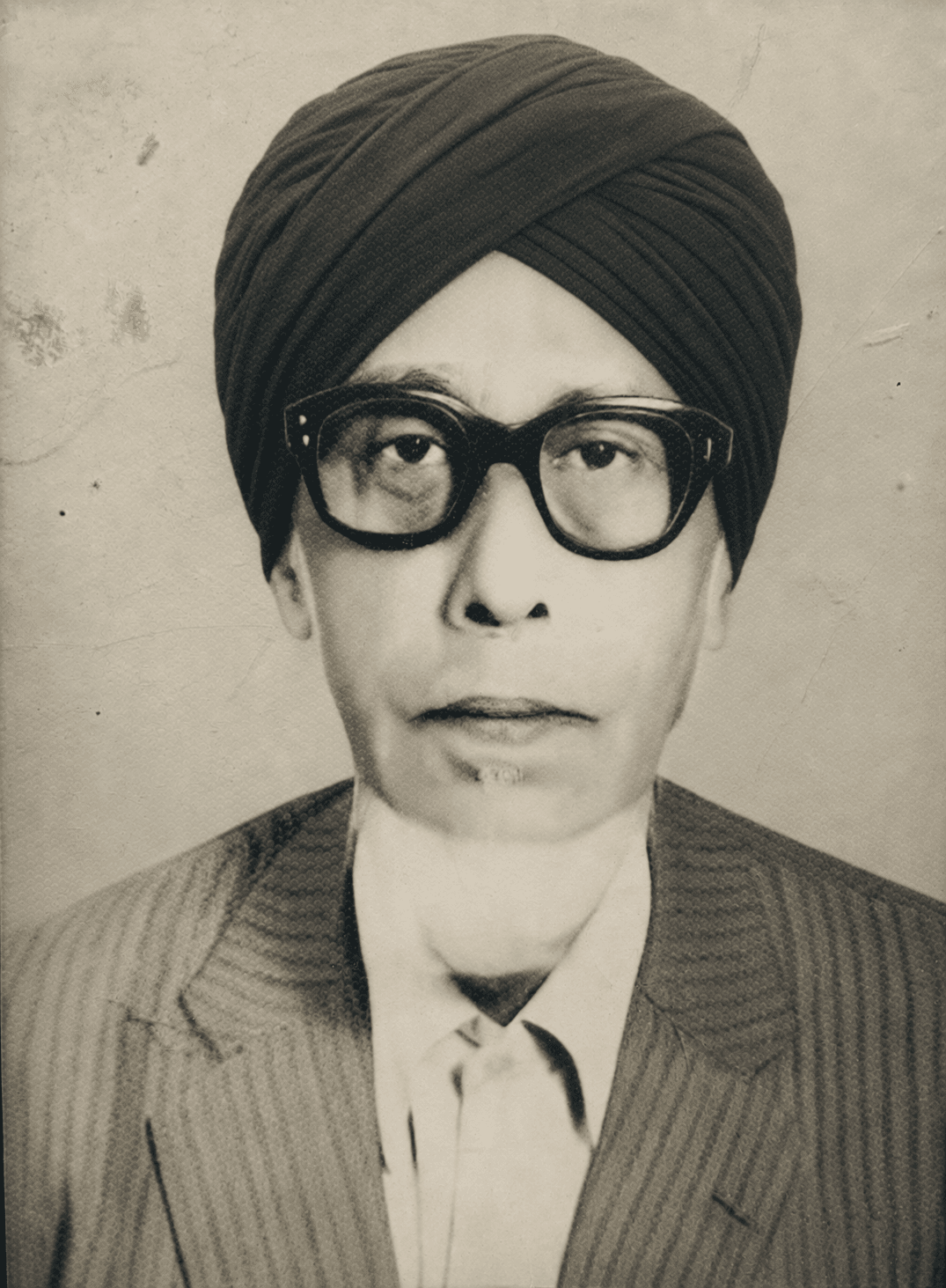
Syed Nurur Rahman, a resident of Ramshri (Shaheb Bari) Village in Chunarughat Upazila, Habiganj District, was an elected member of the Legislative Council of Assam Province in the then undivided British India in 1921. In honour of his legacy and to preserve his memory, his later generations (great-grandsons) established the Syed Nurur Rahman Welfare Trust. As the saying goes, "Charity begins at home." We serve society with sincerity, transparency and dedication toward sustainable development. Every initiative is guided by integrity, inclusiveness, social responsibility and compassion — creating solutions that empower people toward self-reliance and equal opportunity.
A lasting positive impact — a healthier, educated and empowered society where every person lives with dignity and equal opportunity, for generations to come.
The Legislative Legacy of Maulvi Saiyid Nurur Rahman
During the 1920s, Maulvi Saiyid Nurur Rahman was an active member of the Assam Legislative Council, representing the Sylhet/Habiganj regional interests. Historical proceedings from the Assam Legislative Assembly Digital Library and the Assam State Archives verify that his legislative interventions primarily focused on local governance, infrastructure, financial transparency, and civil service administration.
The exact motions, inquiries, and debates he participated in include:
1. The Home Station Posting of Executive Officers (March 1922 Session)
Maulvi Saiyid Nurur Rahman introduced a formally recorded resolution and query regarding the bureaucratic assignment policies of the colonial government. He questioned the executive layout regarding the strategic posting of executive officers — such as Magistrates and Deputy Magistrates — to their respective home stations. This motion sought to challenge colonial administrative setups that intentionally displaced local officers from their native districts to restrict localized political influence.
2. Local Board Irrigation Infrastructure Deficits (March 14, 1922 Session)
He challenged the government on regional development negligence during the official assembly proceedings. He raised sharp inquiries regarding the Local Board of Habiganj, demanding to know why no critical irrigation works or agricultural water management systems had been initiated or financed by the board since its inception. This was a vital economic issue for the agrarian Muslim constituency he represented.
3. Financial Accountability of the Khowai Infrastructure (February 7, 1922 Session)
In a formal oversight motion submitted directly to the floor of the Council, he demanded that the colonial government lay an official, itemized statement on the table detailing the precise public expenditure incurred year-by-year on the Khowai river/regional developments. His motion forced a legislative audit of colonial funds mapped to the Sylhet-Habiganj borders.
Summary of Legislative Focus
Rather than macro-political philosophy, Maulvi Saiyid Nurur Rahman used his seat in the 1920s Assam Council to aggressively drive micro-regional accountability. His legislative footprint is defined by pushing for localized agrarian rights (irrigation), questioning fiscal allocations by British authorities, and advocating for the institutional rights of native civil servants within the province.
Our Programs
A set of interconnected initiatives, each rooted in dignity — designed to help communities grow strong from the ground up.
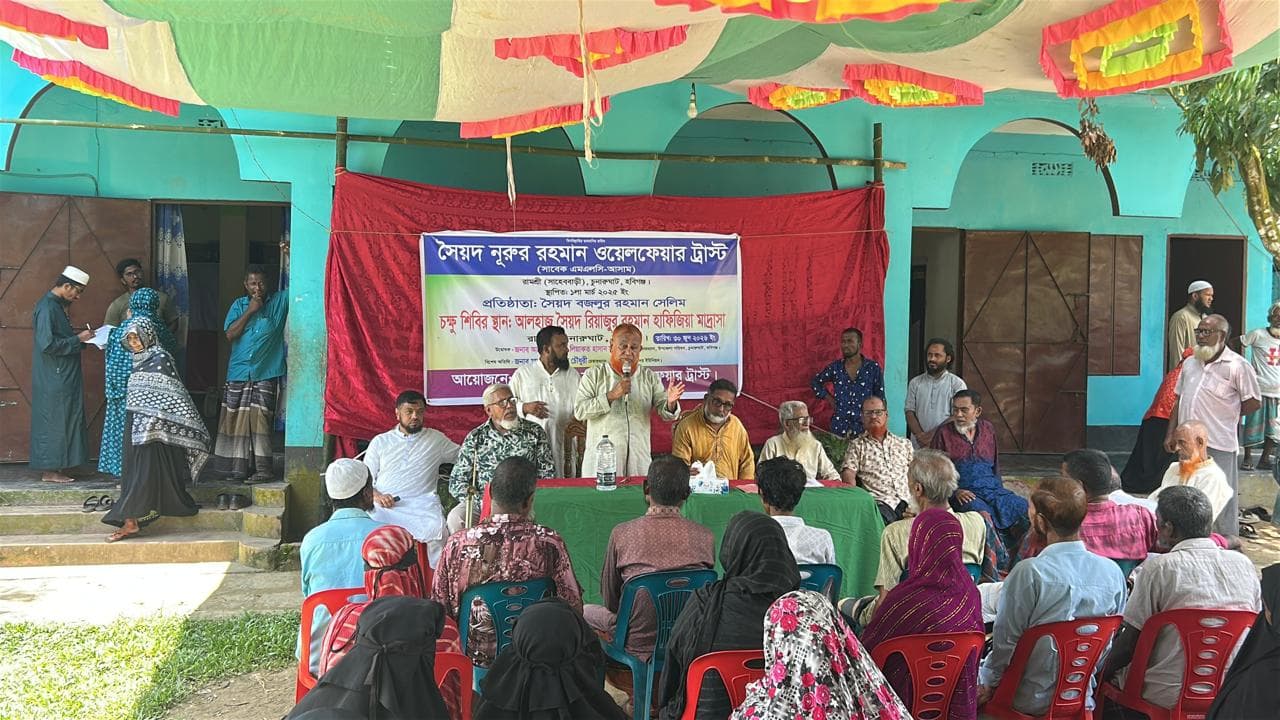
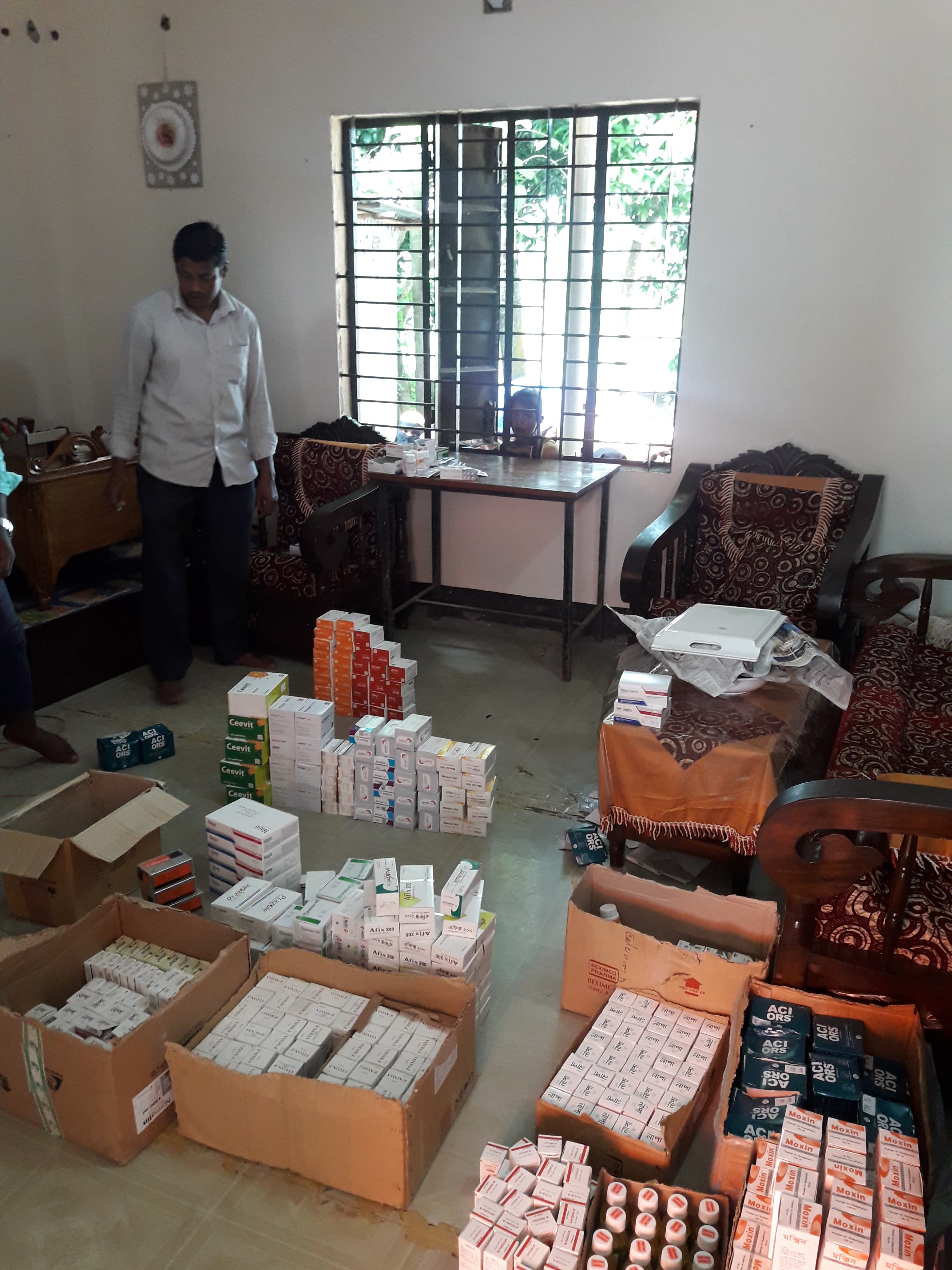
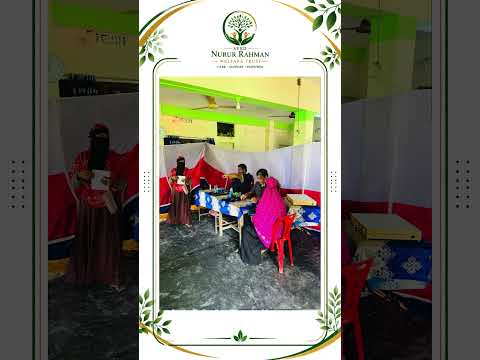
Healthcare
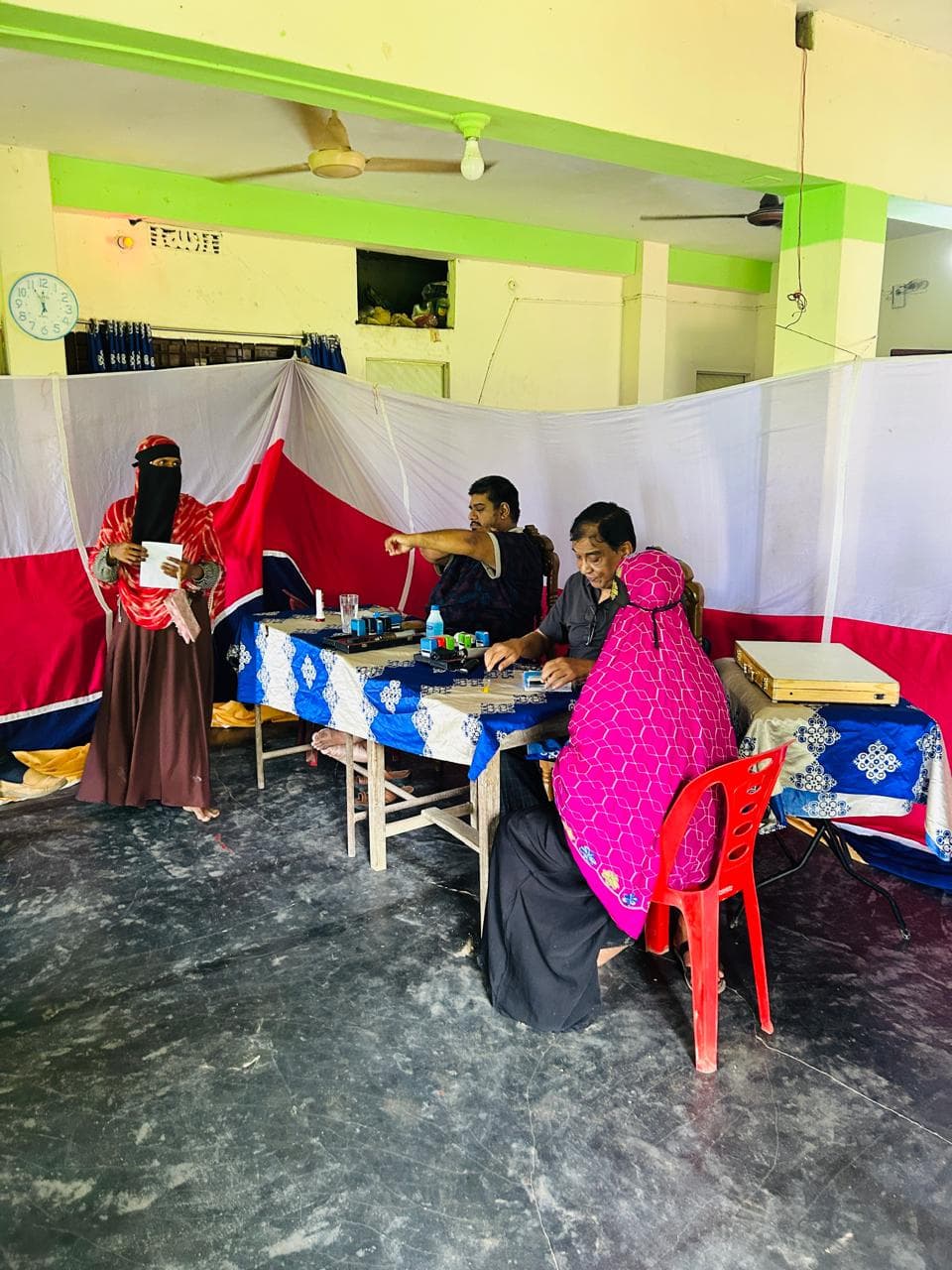
Medical camps, treatment support and health awareness for vulnerable families.
Poverty Alleviation
Direct relief and long-term support to lift households out of hardship.
Community Development
Livelihood support and local infrastructure that strengthen whole communities.
Agriculture
Goat and cattle agro-based enterprise and fisheries support that build lasting rural livelihoods.
Qurbani Charity
Qurbani distribution and cattle sponsorship that bring meat and dignity to families in need each season.
Tea Plantation & Manufacturing
Tea cultivation and processing enterprises that create steady employment and local economic growth.
Change you can measure
Support that reaches across borders
Wherever you are in the world, your generosity plants roots here. Through collaboration with individuals, organizations and communities, we turn compassion into sustainable change — with full transparency, every step of the way.

Your gift grows a future
A small act of kindness today becomes lasting dignity tomorrow. Give what you can — every contribution takes root.
Subscribe to our updates
Follow our work and hear the stories of the communities we serve.